WINTΣRGRΣΣCΣWinter Greece
So let's be precise about 'mild', because it's the whole promise of this page. We mean roughly 13 to 17°C in the daytime sun — enough to walk a ruin in a jumper, eat lunch outdoors and never once think about a beach. It's the warmest winter Greece offers, reliably open and reliably calm. It is not, and won't pretend to be, a tan. Read on before you pack shorts.
Mild days, genuinely cold nights
The catch the brochures leave out: that pleasant 15°C belongs to the afternoon. Once the sun drops, so does the mercury — evenings are jumper-then-jacket-then-heater cold, and stone houses hold it. And yes, rain comes; the mild south is green in winter for a reason. Bring layers you can peel and add all day.
Who this is for
This page is for the traveller who wants to be outdoors and comfortable without flying to the tropics — sightseers, walkers, long-lunchers, anyone who'd rather explore Knossos in shirtsleeves than shiver through it. If your winter must include swimming, this isn't it. If it must include daylight and a coat you can carry, it is.
Not summer, on purpose
Nobody's selling you a cut-price August. The point of mild is everything August loses: a temple with room to breathe, a harbour taverna cooking for locals rather than coaches, a hotel that answers the phone. You trade heat and sea for space and quiet — and on this coast, in winter, that's the better deal.
Warmest by day:
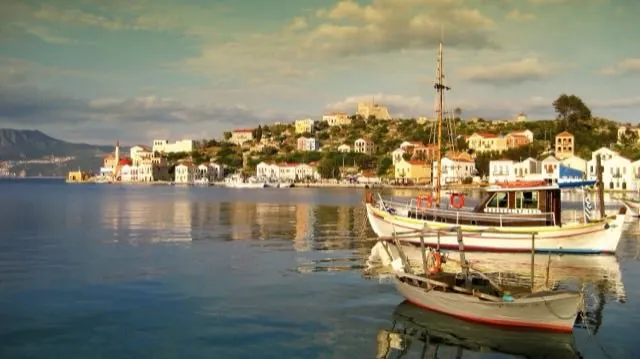
Kastellorizo 17°
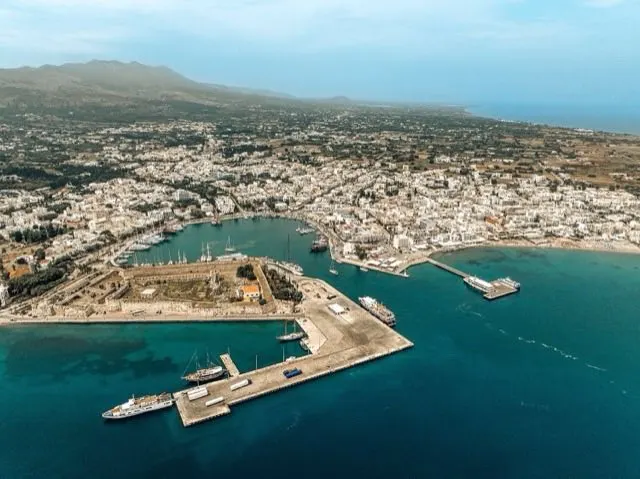
Rhodes & Crete 16°
Kos 16°
— mild, but bring a jacket for the evenings.
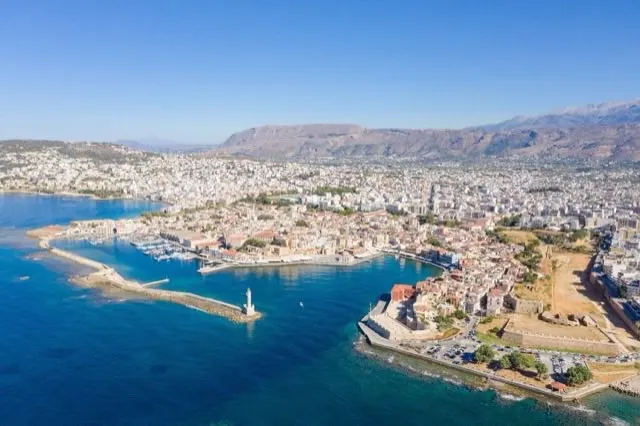
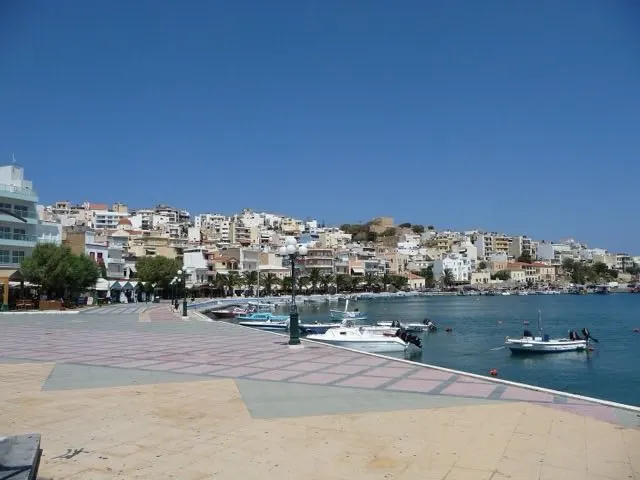
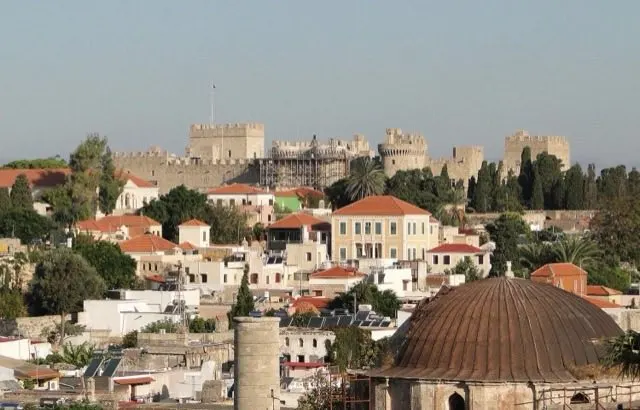
The mild-escape airports
South-facing, sunny, and open all winter.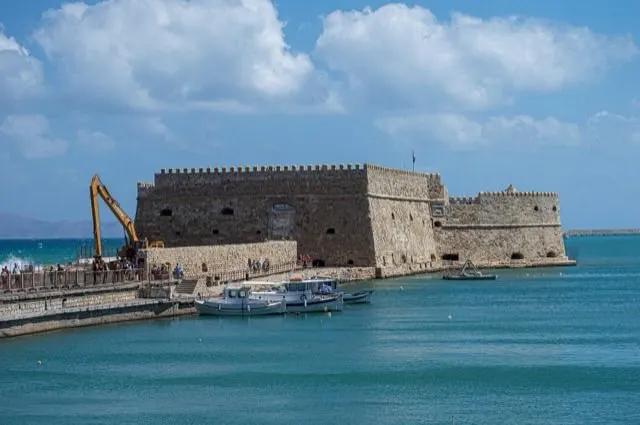
WINTΣR GRΣΣCΣ
The off-season guide to Greece — 39 airports, one honest open-o-meter, October to April.
wintergreece.gr
Destinations
Experiences
Temperatures are typical winter averages, not guarantees — the south is mild but evenings are cold and rain still comes through. Always confirm opening hours before booking.